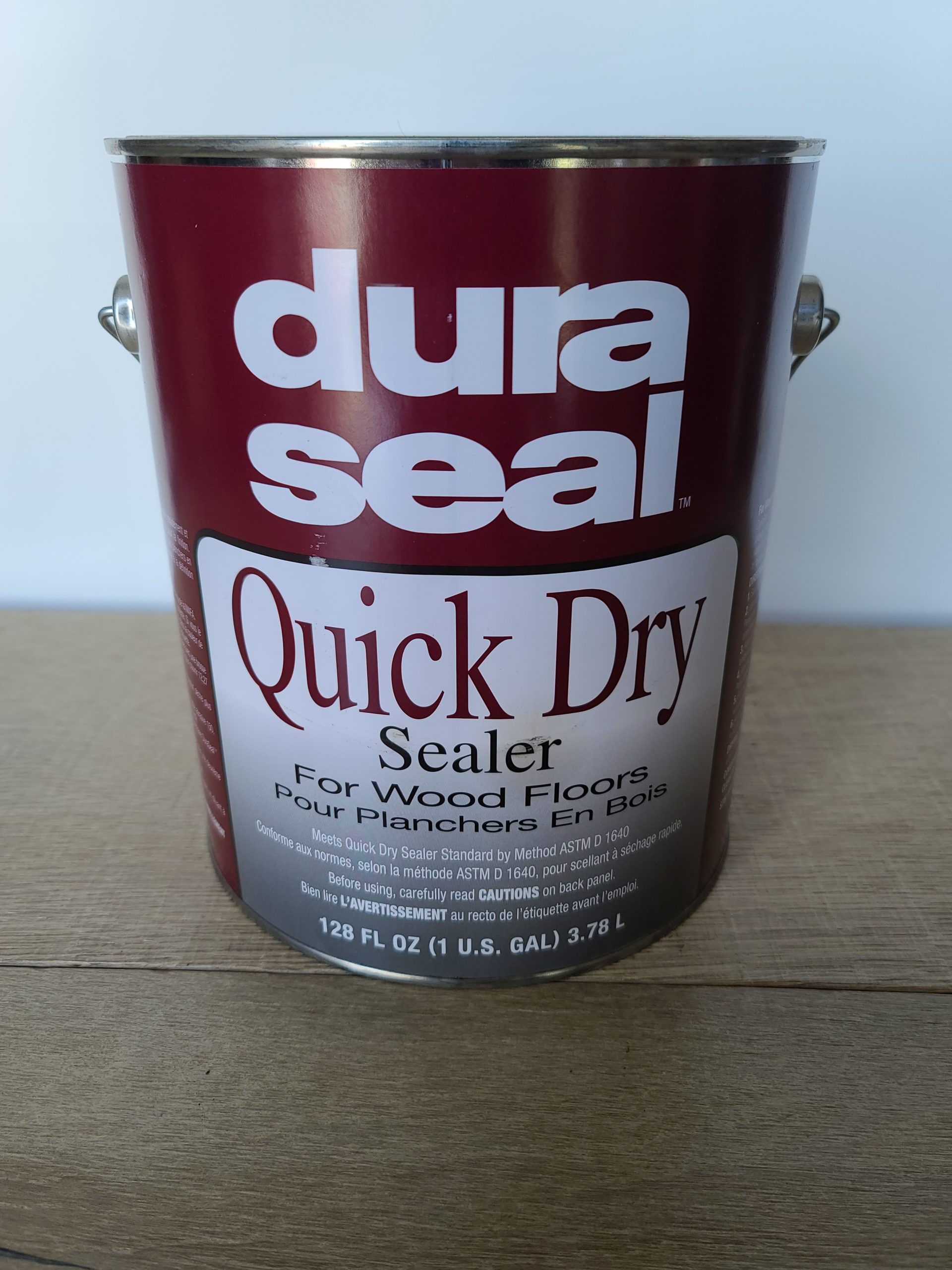

Upgrading wooden story can metamorphose the expression and feel of any place, wreak warmth, character, and lasting durability. Among the most efficacious way to protect and enhance wood floors is through the use of a top floor sealer - specifically designed to seal and fortify the surface without damp its natural beauty. Whether you're dealing with minor wear or seeking a total regaining, choosing the correct sealant ascertain your base rest resilient against wet, scrape, and casual foot traffic. This guidebook explore how a top storey sealant can promote your wooden surfaces, detailing step-by-step coating, key production considerations, and crucial alimony tips to maximise longevity.
Understanding the Role of a Top Floor Sealer for Wood Floors
A top level sealant acts as a protective roadblock that bottom deep into the woods fibers, reinforcing their construction while continue grain patterns and finish. Unlike surface coat that sit atop the wood, modern sealer often bond chemically, proffer enhanced resistance to release, UV hurt, and temperature fluctuations. This eccentric of sealant is peculiarly worthful for high-traffic areas such as living rooms, hallway, and entryways where flooring endure constant use. By seal the forest effectively, homeowners foreclose warping, check, and yellow make by humidity and environmental exposure.
Billet: Always screen sealant on a small, invisible region first to ensure compatibility with your wood type and survive cultivation.
| Sealer Type | Better For | Key Benefits |
|---|---|---|
| Penetrating Oil Sealer | Unfinished or poriferous forest | Deep insight, natural look, breathable finish |
| Water-Based Polyurethane Sealer | Finished hardwood storey | Fast drying, low odour, durable protection |
| Wax-Based Sealer | Antique or decorative woods | Soft lustre, easy reapplication, gentle on antique last |
Choose the right sealer depends on several component: wood species, current condition, intended use, and desire finish. Hardwoods like oak and maple welfare from penetrating oil-based sealers that nourish and protect without befog grain. Engineered wood or veneering often postulate water-based sealant to avoid extrusion. For story exposed to moisture - such as nigh kitchen or bathrooms - choose a moisture-resistant formula to prevent tumefy and delamination. Always prioritize products labeled safe for indoor residential use and compatible with your floor's finish type.
Pro Tip: Avoid oil-based sealer on certain or waxed floors, as they may stimulate pasty buildup or mismatched assimilation.
Before applying any sealer, preparation is critical. Start by thoroughly cleaning the storey to remove dust, dirt, and old polish using a modest forest cleanser and a soft microfiber cloth. Let the surface dry completely - typically 24 to 48 hours depending on humidity. Sand softly with 220-grit sandpaper to polish rough spots and open forest pores, enhance sealant absorption. Wipe away dust with a dampish cloth and allow full hardening time as per producer didactics. This step control optimum bond and prevents trapped debris under the new layer.
Step-by-Step Application of a Top Floor Sealer
Utilise a top floor sealer correctly insure even reportage and maximal protection. Follow these accurate measure:- Begin by clearing the floor of furniture and loose rubble. Protect walls and baseboards with dip textile or plastic sheeting.
- Inspect the woods for cracks or loose planks; repair any harm before seal to debar succeeding number.
- Wear gloves and employment in a well-ventilated country. Apply sealer in thin, even coat using a clean, lint-free fabric or brush - avoid spraying method unless specified, as they risk mismatched buildup.
- Work in small sections - about 2 - 3 square feet at a time - to maintain control and prevent drying before full coverage.
- Allow each pelage to penetrate fully, ordinarily 1 - 2 hours between coating, count on humidity and sealer type.
- After the final coating, wait the recommended curing period - often 72 hours - before walk or placing furniture on the floor.
Tone: Apply sealant during warmer months when temperatures range between 50°F and 85°F (10°C to 30°C) for good results.
Maintenance and Long-Term Care After Sealing
Once applied, logical care conserve the unity of a sealed wooden floor. Regularly chimneysweeper or vacuum to take abrasive particles that could fret the surface. Clear spills immediately with a damp mop - never soak the wood - and avoid harsh chemicals that demean the sealer. Sporadically inspect for signs of wear, such as dull patch or moisture place, and stir up with matching sealant as needed. Reapplying a light top pelage every 3 to 5 years extends protection and maintains appearance, peculiarly in high-use zone.
Note: Avoid rate hot objects directly on the story without coasters to forestall localised warmth harm.
Use a top flooring sealer is more than a cosmetic upgrade - it's an investing in the lasting beauty and resiliency of wooden base. By choose the correct ware, preparing the surface thoroughly, and applying with forethought, homeowner unlock enhanced security against day-by-day clothing, wet, and environmental stress. With proper alimony, seal wood level keep their warmth and elegance for decades, become a lasting centerpiece of any home. This thoughtful sweetening transforms ordinary wood into enduring shock that ages gracefully and perform reliably.
Related Terms:
- most durable wood flooring last
- better sealant for hardwood floors
- durable forest floor finish
- most undestroyable hardwood floor finish
- good finish for hardwood floor
- most durable floor last