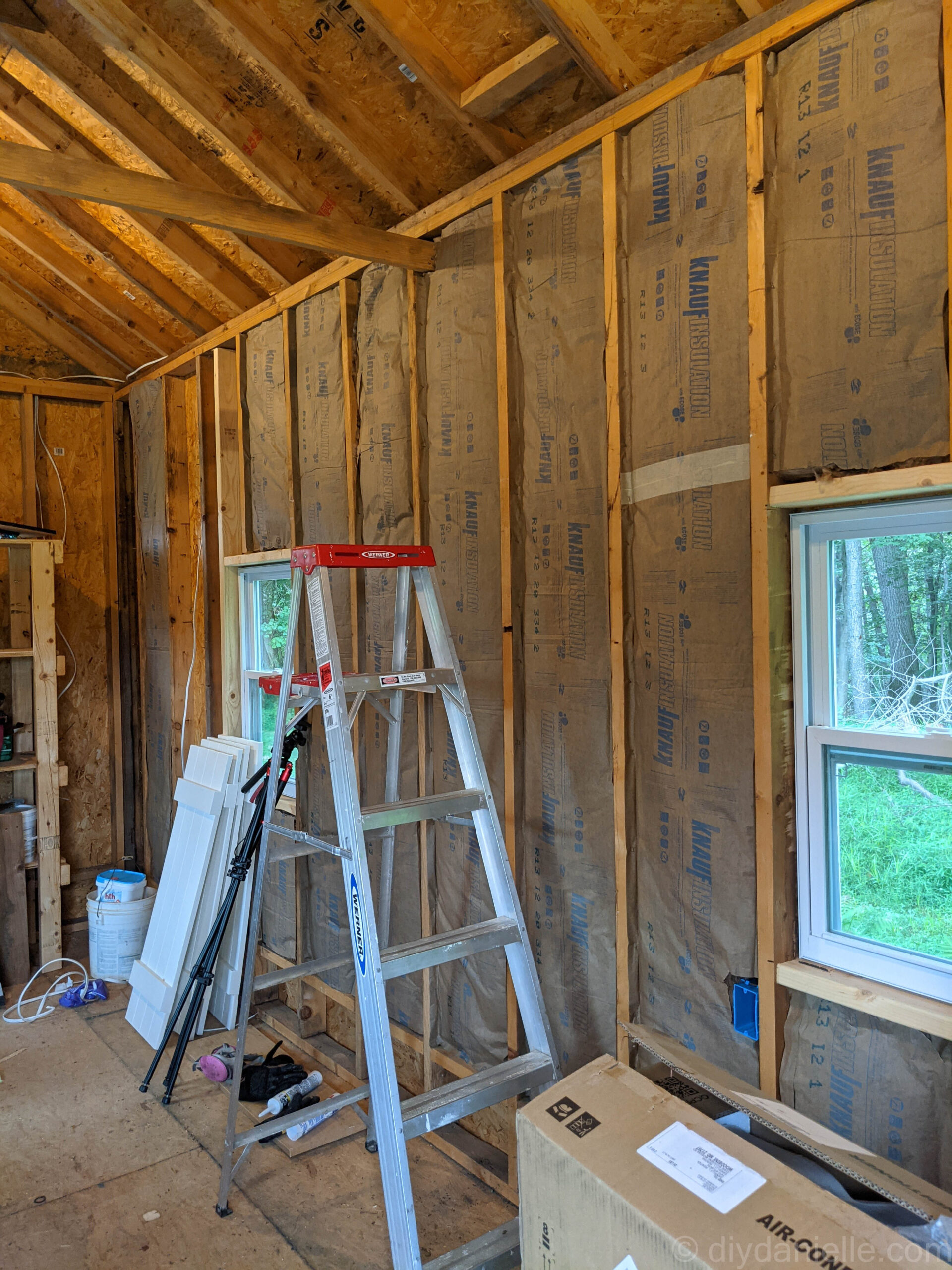

Insulating the level of a tuff cast is one of the most impactful upgrades you can make to improve solace, get-up-and-go efficiency, and long-term durability. Whether your tuff spill villein as a workshop, storage space, or animal shelter, a well-insulated floor help maintain stable temperatures, reduces draft, and prevents moisture buildup - critical factors in protecting tools, materials, and livestock. Unlike standard concrete slabs, tufa shed floors oftentimes miss built-in detachment, create place retrofitting crucial. This guidebook walk you through the complete process of how to isolate a tufa spill level efficaciously, covering preparation, material choice, installing techniques, and care bakshish to ensure permanent performance.
Understanding the Importance of Floor Insulation in a Tuff Shed
A tufa caducous floor, typically make from lightweight tuff concrete or composite panels, offers excellent force and conditions resistance but provides little thermal security. Without insulation, cold air seeps through fissure and porous surfaces, turn the space into a drafty, uncomfortable zone during wintertime and increase heat requirement. In summertime, warmth rises and radiates downward, raise indoor temperature and stressing cooling systems. Proper insulant brace the floor temperature, denigrate condensation endangerment, and heighten overall usability. By endue in caliber insulant, you protect both the construction and its occupants while reduce long-term zip costs.
| Key Factor | Why It Matters |
|---|---|
| Thermal Resistance (R-value) | Higher R-values mean better insulation; aim for R-10 to R-20 look on clime |
| Wet Control | Prevents mold growth and structural abjection by blocking vapor penetration |
| Relief of Installation | Select textile compatible with tuff storey surfaces and minimal interruption |
| Strength | Insularity must withstand ft traffic, instrument, and environmental shift |
Note: Always check local edifice codes before install insulation - some area require vapor barriers or specific R-values for shed.
Step-by-Step Guide: How to Insulate a Tuff Shed Floor
Before start, gather all necessary tool and stuff. A well-prepared workflow ensures a unclouded, efficient instalment that lasts. Start by brighten the story country thoroughly - remove rubble, old insulation (if any), and level odd spots apply a fine-grade grinder or concrete mending compound. This step prevent future settling and ensure optimum adhesion.
Adjacent, measure the current base precondition:
- Is the surface cracked or damaged?
- Are there existing moisture subject?
- Does the floor slope toward any area?
Addressing these early avoids costly rework later. For minor scissure, utilise a concrete filler rated for outside use; for deeper damage, patch with reinforced engagement and patching compound. Formerly the substructure is sound, proceed with detachment installation, prioritise even reporting and unafraid attachment.
Choosing the Right Insulation Material
Take the good insularism count on climate, budget, and ease of treat. Common options suitable for tufa shed floor include:
- Polyurethane Foam Boards: Eminent R-value per in, moisture-resistant, and easy to cut. Ideal for flat, enclosed spaces.
- Expanded Polystyrene (EPS) Panel: Whippersnapper, affordable, and resistant to mildew and rot. Good for crawling space or unheated zones.
- Cellular Glass (Foam Glass): Extremely durable, imperviable to h2o, and chemically inert - excellent for humid environments.
- Mineral Wool (Rock Wool): Fire-resistant and sound-dampening, though less mutual due to higher toll and wet sensitivity.
For tuff shed flooring, rigid foam board like polyurethan or EPS proffer the best balance of execution, affordability, and compatibility with concrete substrates.
Note: Always verify that insularism materials are safe for contact with concrete and non-toxic, especially if the spill shop nutrient, tools, or houses animals.
Installation Techniques for Maximum Effectiveness
Follow these precise measure to install insularity swimmingly and securely:
- Step and Cut Panels: Step the floor area accurately and cut insulation sheets to sizing using a sharp utility tongue or circular saw. Leave a pocket-sized overlap (1 - 2 cm) between pieces to guarantee total reporting.
- Secure with Adhesive or Fasteners: Most foam boards get with factory-applied adhesives - apply equally for potent bonding. For EPS panels, use construction adhesive or mechanical fastener like jailer with washer to prevent shifting.
- Seal Gaps and Joint: Use foam taping or sealer along edges and about pipes to eliminate air leaks. This stride is crucial to prevent drafts and moisture infiltration.
- Add a Vapor Barrier (If Need): In damp climate, install a breathable vapor retarder over the insulation to hinder wet while let vapor dissemination. Avoid full impermeable roadblock unless moisture risk is low.
- Protect from Physical Impairment: Lay a protective layer - such as a lean caoutchouc mat or plywood - over the insularity to harbor it from foot traffic and creature until concluding flooring is installed.
Note: Work in subdivision to conserve logical adherence and avoid crack; speed can compromise long-term performance.
Finishing Touches and Final Checks
Once insularity is securely in place, prepare the base for the next phase. If installing a new top layer - like epoxy finishing, polyurethane floor, or rubber tiles - ensure the detachment surface is clean, dry, and gratis of loose corpuscle. Employ primer if urge, then follow manufacturer guidelines for cease products. Inspect all joints and border for tightness, and reinforce any washy spots immediately. A well-finished base not only looks professional but also performs better over time.
Note: Allow adequate curing time - typically 24 to 48 hours - before utilize heavy piles or finish fabric to prevent damage.
Maintenance Tips for Long-Lasting Performance
Even the good insulation requires periodical aid to sustain effectiveness. Inspect the floor annually for signs of wear, cracking, or moisture accumulation. Light debris regularly to prevent crunch and secure airing stay unobstructed. Replace any damage insulation jury quickly and reapply sealant every few days to preserve wet impedance. With logical attention, your insulated tufa disgorge floor will remain a reliable, comfy space for age to come.
Note: Monitor humidity levels inside the shed - using dehumidifiers in moist seasons helps preserve insulation integrity and prevents mold growth.
In succinct, insulate a tufa caducous story transforms an exposed, ineffective space into a stable, usable environment. By cautiously choose materials, preparing the surface, and following accurate installment steps, you create a foundation that enhances comfort, protects your investing, and reduces get-up-and-go costs. With proper maintenance, this upgrade delivers endure value and peace of head.
Related Damage:
- insulating shed with foam plank
- best insulation for storehouse shed
- better insulation for outdoor shed
- better insulation for exterior shed
- insulating an unwarmed shed
- how to isolate an outbuilding