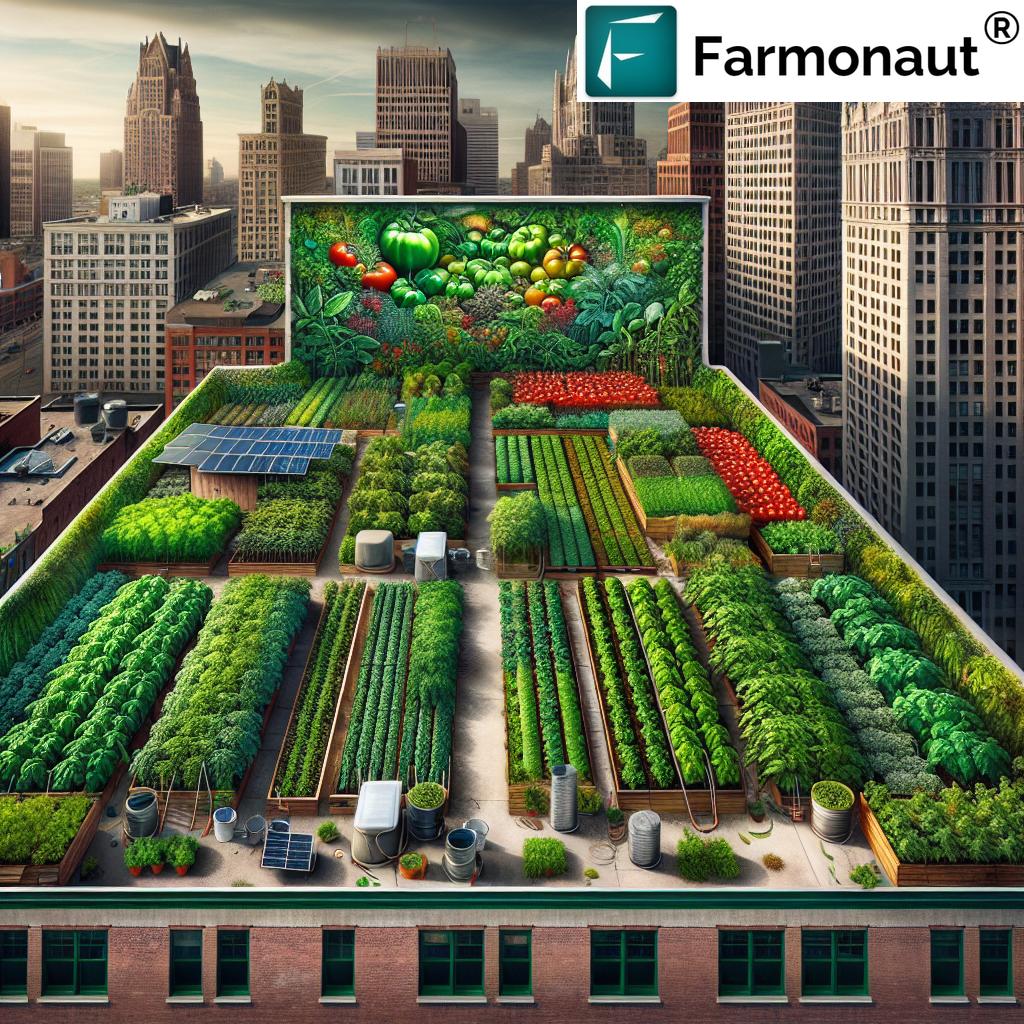

在现代城市生活中,空间有限与自然疏离成为许多都市人面临的挑战。然而, House With Rooftop Garden And Urban Farming offers a transformative solution - turning fresh rooftop into expand green sanctuary that nourish both body and somebody. These elevated gardens do more than prettify edifice; they reintroduce biodiversity, reduce urban heat, and empower community to grow their own food. By integrating agriculture into architectural plan, homeowners and city dwellers alike are redefining sustainability, one rooftop at a clip.
Why Choose a Rooftop Garden?
The charm of a rooftop garden lie in its multifunctional nature. Beyond aesthetical value, these infinite render real benefit:
- Food Security: Growing veg, herb, and yield topically trim dependance on distant provision concatenation and ensures approach to fresh, chemical-free produce.
- Environmental Impact: Vegetation absorbs carbon dioxide, filter air pollutant, and mitigates stormwater overflow, easing pressing on urban drainage scheme.
- Caloric Regulation: Green roofs act as natural insulators, lour indoor temperatures in summertime and reducing heating needs in wintertime, which cuts energy ingestion.
- Mental Well-being: Tending works fosters mindfulness, reduces accent, and strengthens connexion to nature - even in heavy cityscapes.
| Benefit | Wallop |
|---|---|
| Fresh Produce | Everyday admittance to nutrient-rich foods, seasonal crop |
| Energy Efficiency | Cut cooling/heating costs through natural insulant |
| Urban Cooling | Lower ambient temperatures via evapotranspiration |
| Biodiversity Boost | Supports pollinator and local wildlife in concrete environs |
| Community Building | Shared horticulture encourages societal interaction and collective stewardship |
Note: Not all rooftops support heavy farming - structural assessment are crucial before planting.
Planning Your Urban Farming Space
Creating a successful rooftop garden expect careful provision. Start by evaluating your building's structural capacity - rooftops must safely bear soil, h2o, and works weight. Consult a structural engineer to affirm payload limits. Adjacent, consider sunlight exposure: most comestible plants need 6 - 8 hour of direct sun daily, so observe shadow patterns across season. Water access is critical; install effective irrigation systems like drip lines or rain harvesting to conserve resource. Eventually, specify your goals - whether grow leafy commons, herb, or fruit plants - to usher layout and crop pick.
Pro-note: Prioritise lightweight growing mediums such as coconut coir or expanded clay shot to cut structural melody.
Designing for Function and Beauty
A well-designed rooftop farm balance practicality with optic concordance. Think vertically - use treillage, hang baskets, and tiered planters to maximize space. Group plants by h2o and light needs to simplify maintenance. Incorporate seating country or footpath to make inviting zone for relaxation and observation. Select durable, weather-resistant textile: recycled plastic container, galvanized blade frames, and permeable pavage help manage drain and seniority. Integrating solar-powered alight extends serviceability into eve, turning the garden into a serene eve retreat.
Line: Use native or drought-tolerant specie to understate h2o use and support local ecosystems.
Soil, Water, and Sustainable Practices
Healthy grease organise the foundation of any generative urban farm. Since rooftop soil is oftentimes circumscribed, opt for lightweight, nutrient-rich mixes enriched with compost and organic matter. Veritable essay ensures balanced pH and fertility. Water conservation is vital - install wet detector and hoard rainwater to reduce dissipation. Mulch facilitate retain moisture and suppress weeds. Compost kitchen scraps closes the grommet, transforming waste into fecund ground while trim landfill contributions. These drill sustain productivity and reward the garden's ecological use.
Pro-note: Rotate harvest annually to prevent ground depletion and trim pest buildup.
Maintenance and Community Engagement
Consistent care keeps your rooftop garden thriving. Schedule weekly chit for plague, nutrient want, and irrigation efficiency. Prune flora regularly to encourage growth and airflow. Involve neighbors or family members in planting and harvesting - shared responsibility deepen connection and gap cognition. Document success and challenge to rarify proficiency over time. Seasonal adjustments - such as mulching in wintertime or shadow cloth in summer - ensure resilience across changing conditions.
Note: Monitor wind levels - strong gusts may require windbreak or sturdy flora support.
House With Rooftop Garden And Urban Farming is more than a trend - it is a lifestyle shift toward sustainable life. By rectify erect space for nutrient and greenery, individuals contribute to healthy cities, stronger communities, and personal well-being. Whether you grow a few herb on a balcony or work a full-season crop on a flat roof, every effort sustain a greener future - one rooftop at a time.
Related Terms:
- little scale urban husbandry
- pros of urban farming
- turgid scale urban husbandry
- is urban farm sustainable
- how does urban farming work
- overview of urban husbandry pattern