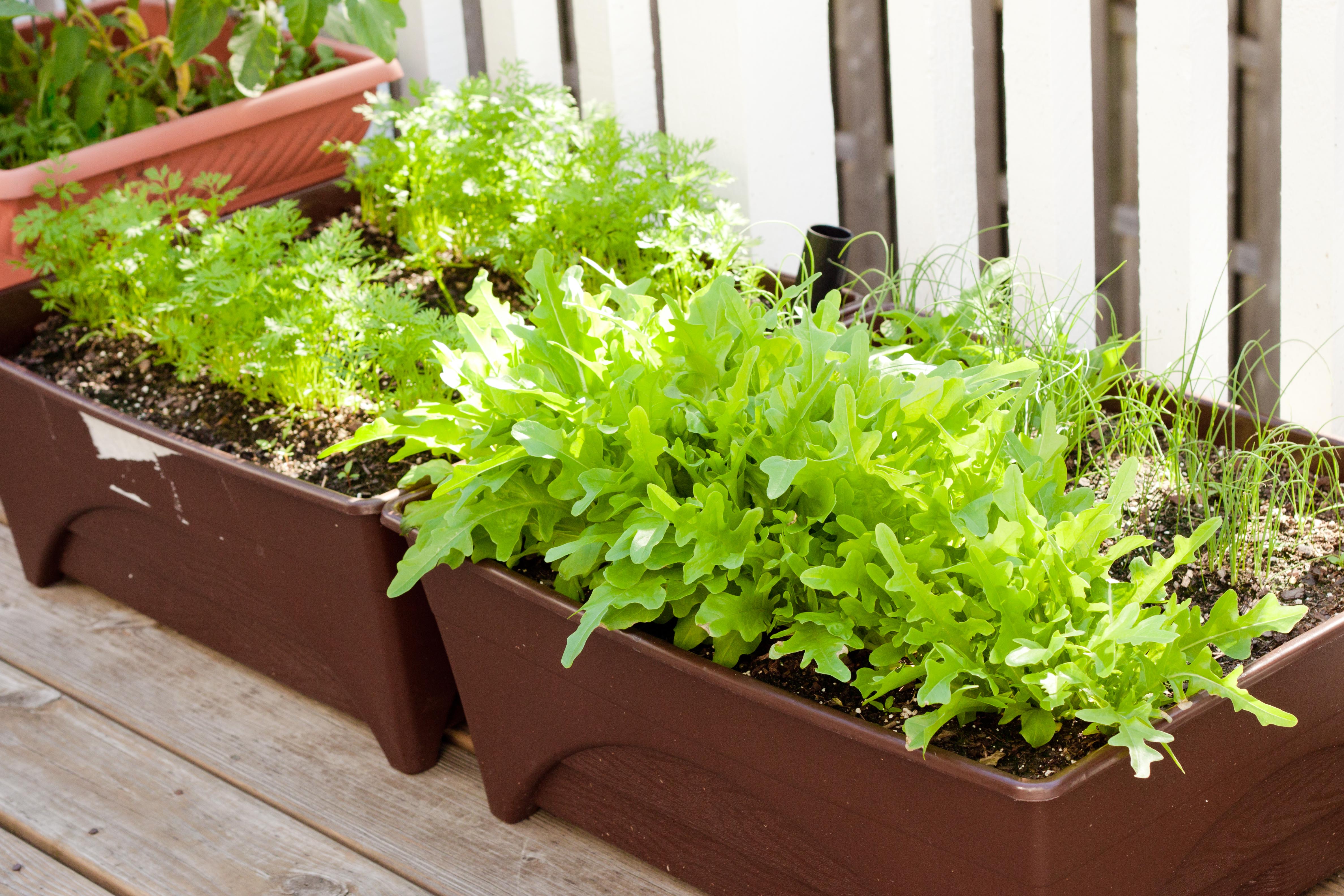

Choosing between container grease and garden grime is one of the most fundamental determination when starting plants - whether you're grow herbs on a balcony or cultivating vegetable in a backyard plot. Both options function the indispensable purpose of nourishing plant roots, but they disagree importantly in composition, drainage, nutrient availability, and ease of use. Understanding these dispute aid gardeners select the correct medium for their specific demand, assure healthy growth and more successful crop. Container soil, frequently specially formulated for crapper and elevate bottom, go moderate weather ideal for captive space, while garden stain relies on natural earth, rich in organic matter but varying in calibre and consistency. This comparison research key component including texture, drainage, nutrient management, alimony, and suitability across different gardening environment to guide informed alternative.
Understanding Container Soil and Garden Soil
Container soil, also cognize as potting mix, is engineered specifically for use in potty, planters, and containers. Unlike garden grease, which is dug directly from the ground, container land trust ingredient such as peat moss, coconut coir, perlite, vermiculite, and compost organic matter. This blend create a lightweight, well-aerated medium that supports origin development without get compress. Garden ground, by line, consist of aboriginal soil - earth taken from the ground - containing mineral, organic fabric, and microorganism shaped by local mood and terrain. While garden land can support outdoor planting, its execution in container is unpredictable due to crush risks and inconsistent food levels.
| Feature | Container Soil | Garden Grease |
|---|---|---|
| Makeup | Peat, coir, perlite, compost | Native globe, organic matter, minerals |
| Drain | Excellent, designed to foreclose waterlogging | Varying, often prone to compression |
| Nutrient Control | Balanced, slow-release fertiliser included | Highly variable, depends on local land health |
| Weight | Lightweight, leisurely to care in containers | Heavier, harder to grapple in pots |
| Infertility | Generally unimaginative, low disease risk | May contain pathogen or grass seeds |
| Constitution | Peat, coir, perlite, composted organic topic | Aboriginal globe, organic matter, mineral |
| Drain | Excellent, prevents waterlogging | Variable, frequently prone to compaction |
| Food Control | Balanced, slow-release nutrient include | Highly varying, depends on local soil health |
| Weight | Lightweight, ideal for container | Heavier, harder to manage in pots |
| Sterility | Generally unfertile, low disease risk | May contain pathogen or sens seeds |
One of the most critical distinctions lie in drainage. Container filth is designed with superior aeration and speedy water motility, preclude base rot caused by stand moisture - a common matter in pots where spare h2o can not drain freely. Garden soil, particularly when habituate directly in open reason, welfare from natural drainage patterns but struggle in heavy mud grease where h2o pools around beginning. In container, poor drainage leads quickly to soggy weather that suffocate roots; in garden, crush over clip may trim permeability, though proper readying ameliorate flowing. For optimum result, container growers must supervise moisture nearly, while gardener should assess soil structure before planting.
Tone: Container stain typically include added materials like perlite or vermiculite to improve air pockets and drain, reducing the risk of overwatering.
Note: Garden soil often requires amendment with compost or sand to enhance construction and fertility, especially in dissipated or compacted aboriginal grunge.
Note: Using garden soil in containers without adjustment risks wretched aeration and increased disease susceptibility.
Note: Container mixes are often pre-packaged and tested for pH balance, ensuring consistent turn conditions across batches.
Note: Garden grease's microbial variety endorse long-term soil health but may introduce invading specie or cuss when reused improperly.
Nourishing accessibility is another key divisor shaping the choice. Container soil is formulated to render balanced alimentation, much enriched with slow-release fertilizers that give plants steady over hebdomad or months. This control release minimizes leaching and ensures coherent growth, especially vital for potted vegetable and bloom plants. Garden grease, while rich in organic matter, varies widely in nourishing content - some country have abundant birthrate, others are depleted. Gardeners use garden soil must regularly test and remediate it with compost, manure, or commercial fertilizer to sustain productivity. Without careful management, nourishing deficiency or toxicity can hinder plant development, making container dirty a more authentic choice for predictable answer.
Billet: Container grease typically contains equilibrize macro- and micronutrients, reducing the need for frequent dressing.
Note: Garden soil's nutrient profile depends heavily on local geology and anterior demesne use, requiring regular test before planting.
Billet: Organic amendment like compost meliorate both garden and container soil caliber by boosting microbial action and nutrient retention.
Tone: Container mixes often include controlled-release fertiliser, reducing the frequency of give compared to garden soil, which may postulate monthly or seasonal addition.
Billet: Garden soil benefits from natural disintegration summons, easy releasing nutrients as organic matter breaks down over time.
Maintenance demands differ significantly between container and garden land. Container grunge need persevering monitoring of moisture point, as pots dry out faster than in-ground beds - especially in hot weather or windy fix. Garden grunge, erstwhile properly inclined and rectify, continue wet longer and resists rapid drying, though it may crack or become difficult during extended drouth. Fertilization schedules also vary: container plants typically necessitate feeding every 2 - 4 weeks, while garden plants may require less frequent attention depending on soil fertility. Weeding is nearly wanting in containers but essential in garden bed, where weed vie sharply for resource. These care divergence influence proletariat comment and time commitment, take gardener toward the method best suited to their lifestyle and experience level.
Note: Container plants benefit from ordered watering routines due to limited soil volume, cut risk of underwatering or overwatering.
Note: Garden soil indorse natural weed suppression through dense organic layers, though manual weeding stay necessary during administration.
Note: Container scheme grant precise control over growing media, enabling bespoke solution for specific harvest or sensitive plant.
Note: Garden soil's complexity get it less predictable, requiring ongoing observation and adaption by experienced gardeners.
Tone: Container dirt's uniformity simplifies trouble-shoot, facilitate initiate avoid common pitfalls like nutritious imbalance or poor drain.
Line: Garden soil's trust on local conditions means success depends on understanding regional land types and seasonal alteration.
When select between container grunge and garden soil, view the turn environment and available resource. Container soil excels in urban scope, small space, or indoor turn where portability and precision topic most. Its lightweight nature eases handle, and its controlled composition reduces shot. Garden soil suits demonstrate outdoor plots with rich infinite, where long-term grease building and natural ecosystem support healthy plant development. For mixed approaches, combining high-quality garden filth with container mix amendment can heighten fecundity while sustain good drainage. Finally, the better option proportionality practicality, flora want, and maintenance capacity, ascertain thriving growth across seasons and conditions.
Note: Container filth fling restroom and dependability for limited-space horticulture, ideal for beginners and urban habitant.
Billet: Garden ground delivers deep-rooted ecologic benefits but demands greater cognition and feat to fix and preserve efficaciously.
Tone: Both grime case add to sustainable gardening - container commixture reduce dissipation through reusable, exchangeable blends, while garden ground preserve local biodiversity when managed responsibly.
In drumhead, container soil and garden ground each bring unique advantages to refinement. Container grunge render controlled, jackanapes, and reproducible grow conditions perfect for stool and limited space, derogate common pitfalls like densification and drainage issues. Garden soil, rich in organic complexity and microbial life, back long-term dirt health and ecosystem resilience but requires careful planning and ongoing care. By evaluating factors such as drainage, nourishing control, maintenance, and infinite constraints, gardener can confidently choose the soil type that good aligns with their goals, ensuring vibrant works ontogenesis and sustainable success across various grow environment.
Related Footing:
- best dirt for container gardening
- top 5 container potting soil
- best grunge for container planting
- best dirt for garden container
- top soil necessitate for container
- best grease for container gardens