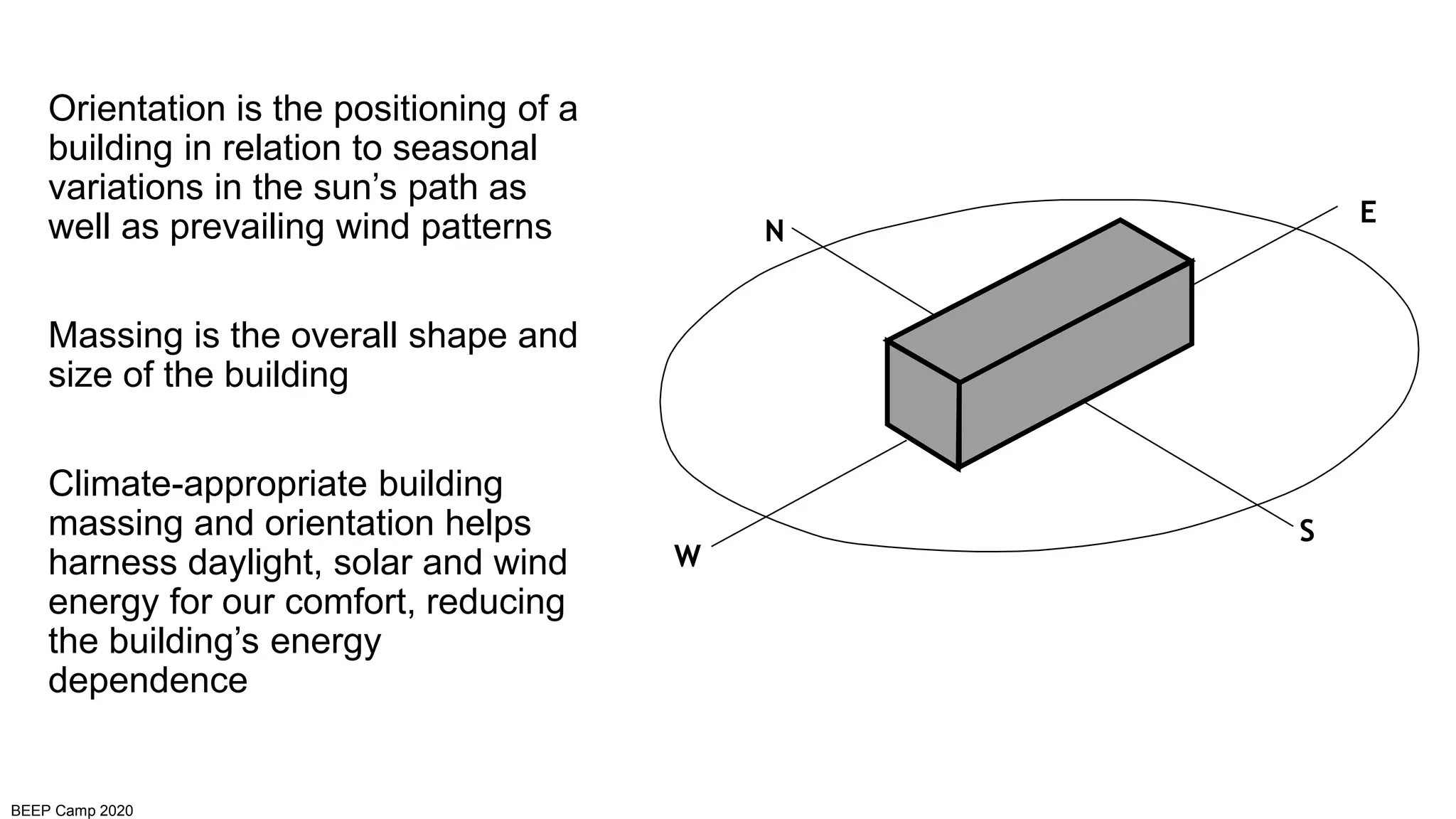

Building orientation to sun and roll is a foundational rule in sustainable architecture that shapes how structures interact with their environment. By aligning buildings with solar way and run winds, designers harness natural energy, reduce trust on artificial heating and cooling, and create infinite that experience more connected to nature. This approach not only enhances energy efficiency but also improves occupant consolation and well-being. Whether in hot deserts or temperate mood, serious-minded lay proportional to sun and wind can transmute a construction's execution and character. Understanding how sunlight and airflow influence plan decision grant architects and homeowners alike to construct smarter, more harmoniously with the satellite.
Why Building Orientation Matters
The direction a construction faces deeply affects its thermic conduct and daylight access. In most part, south-facing facade receive the most ordered sunlight during winter month, enable passive solar heating, while minimizing overheat in summer through proper blending. Conversely, east and west exposure often experience acute sunup and afternoon sun, increasing cooling lots. Meantime, wind design determine natural ventilation potential - strategic openings aline with prevalent breezes promote airflow, cut addiction on mechanical systems. Key benefit include:
- Amend thermic solace: Proper orientation reduces temperature wavering inside, lowering discomfort and push demand.
- Energy delivery: Passive solar gains and natural ventilation cut heating and cooling costs importantly.
- Enhanced daylighting: Maximize sunlight reduces hokey lighting need, supporting circadian rhythm and productivity.
- Reduced environmental impact: Lower energy uptake means smaller carbon footprints and great sustainability.
To visualize optimal orientation, consider this elementary usher for mid-latitude locations:
| Direction | Solar Addition | Natural Ventilation Potential | Best For |
|---|---|---|---|
| South | Maximal winter sun, minimal summer gain with shadow | Cross-ventilation along east-west axes | Passive solar heating, equilibrate climate zones |
| Union | Minimum unmediated sun, stable temperatures | Circumscribed day, but full for thermic pile storage | Cool climates, studio, libraries |
| Eastward | Morning sun, moderate warmth | Full dawn light, some afternoon warmth | Residential animation areas, bureau with morn aspect |
| West | Acute afternoon sun, high cooling load | Challenging airflow due to low-angle sun | Heedful shading required for west-facing spaces |
In tropical and equatorial part, orientation shifts center toward negociate solar intensity and maximize airflow rather than solar increase. Here, east and west walls gain from deep overhang and upright louvre to block high-angle sun, while open layout and courtyards advance cross-breezes. The goal rest coherent: aligning the construction with natural strength to endorse life without superfluous vigour use.
Note: Orientation effectiveness reckon heavily on local microclimate - always analyse site-specific sun angle and wind patterns before finalise designing.
Designing with sun and wind in nous requires integrating passive scheme betimes in the preparation summons. Key technique include:
- Site analysis: Map sun paths and wind direction across season habituate puppet like solar charts and wind roses.
- Progress shape and layout: Position last spaces on the sun-protected side, with service areas front harsher exposures.
- Shading devices: Overhangs, brise-soleil, and vegetation cut solar heat gain without blocking daylight.
- Ventilation pathways: Orient window and vents to catch prevailing winds, expend stack impression and cross-ventilation rule.
- Material selection: Choose thermal mass cloth on sun-facing walls to ingest and slowly release heat.
In recitation, many successful buildings combine orientation with other passive design elements. for representative, a home might face south to bewitch winter heat, characteristic deep eaves to shade summertime sun, and use practicable window aligned with evening snap. This consolidation ensure year-round comfort while minimizing mechanical intervention. Yet small adjustments - like fish roof planes or placing courtyards - can dramatically meliorate performance.
Finally, construct orientation to sun and wander is not a one-size-fits-all formula but a responsive dialogue between architecture and environs. It empowers designers and occupants to create space that breathe course, stay cool in summer, warm gently in wintertime, and luminescence with daytime. By honor these elementary strength, we build not just shelter, but living systems attune to the rhythm of the globe. This aware attack foster resiliency, reduces resource use, and sustain deeper connecter between people and place.
Related Terms:
- establish orientation diagram
- idealistic orientation of a house
- welfare of north cladding house
- best orientation for a house
- orientation chart
- house orientation computer